

For centuries now, the white-tailed sea eagle (Haliaeetus albicilla) has been conspicuously absent from the West Country. This apex predator is Britain’s largest bird of prey, possessing an impressive eight-foot wingspan and talon pressure capable of crushing bone. Standing on the high cliffs of Countisbury or Porlock Hill in the early sixteenth century, you might find yourself watching these colossal, flying behemoths riding Atlantic updrafts, scouring the estuarine shallows for fish and fowl.
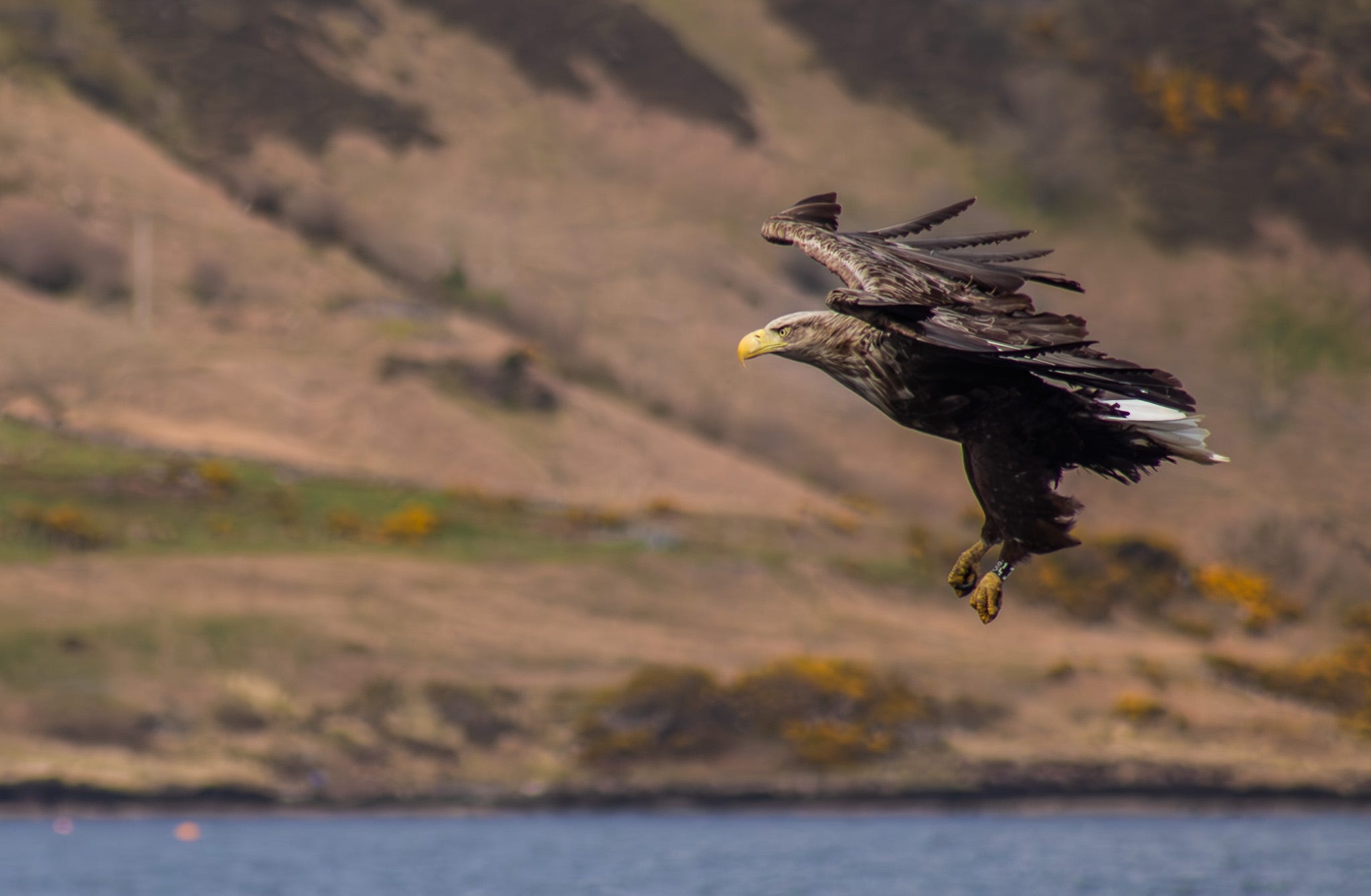
By the early twentieth century, that baseline no longer existed. A campaign of systematic persecution (fueled by Victorian egg collectors, gamekeepers, and state-sanctioned bounties) erased the species from the British Isles entirely. The last native white-tailed eagle was shot in Shetland in 1918. For over fifty years, the skies above Britain’s coastlands and marshes remained empty of this upper-echelon avian predator.
The road to reintroduction began in Western Scotland. Beginning in 1975 on the Isle of Rum, conservationists launched a daring reintroduction scheme, translocating Norwegian fledglings to the Inner Hebrides. Fifty years on, the project has been far more successful than its originators had dared to hope.
Today, over 150 breeding pairs nest across Western Scotland, the Isle of Mull and the Highland glens. The Scottish experiment yielded two crucial lessons: ecologically, the eagles thrived, proving that the ancient habitat could still support them; economically, they transformed remote island communities through eco-tourism. But it also revealed an inescapable, consequential reality: the birds do not limit their diet to non-domesticated animals, and the impacts on local communites and pastoral industries remain wide-reaching.
Now, that momentum is pushing south. Under license from Natural England and spearheaded by pioneering conservation trusts, young white-tailed eagles, reared on the Isle of Wight as part of a southern reintroduction matrix, are once again soaring above Exmoor’s oak-wooded coombes and sea cliffs.
Stepping out onto the heather moorland near Dunkery Beacon today feels noticeably different than it did a month ago. You might see a white-tailed eagle’s shadow drift across the Quantock Hills or the Severn Estuary. The eagles are establishing territories along the North Devon coastline, foraging in the Bristol Channel and roosting in the ancient, twisted Atlantic oakwoods that tumble down to the sea.
Reintroducing an eight-foot apex predator into a heavily managed, working agricultural landscape like Somerset and North Devon is not without deep cultural anxieties. Exmoor is not a wilderness; it is a working tapestry of sheep farms, shooting estates, and ancient common land.
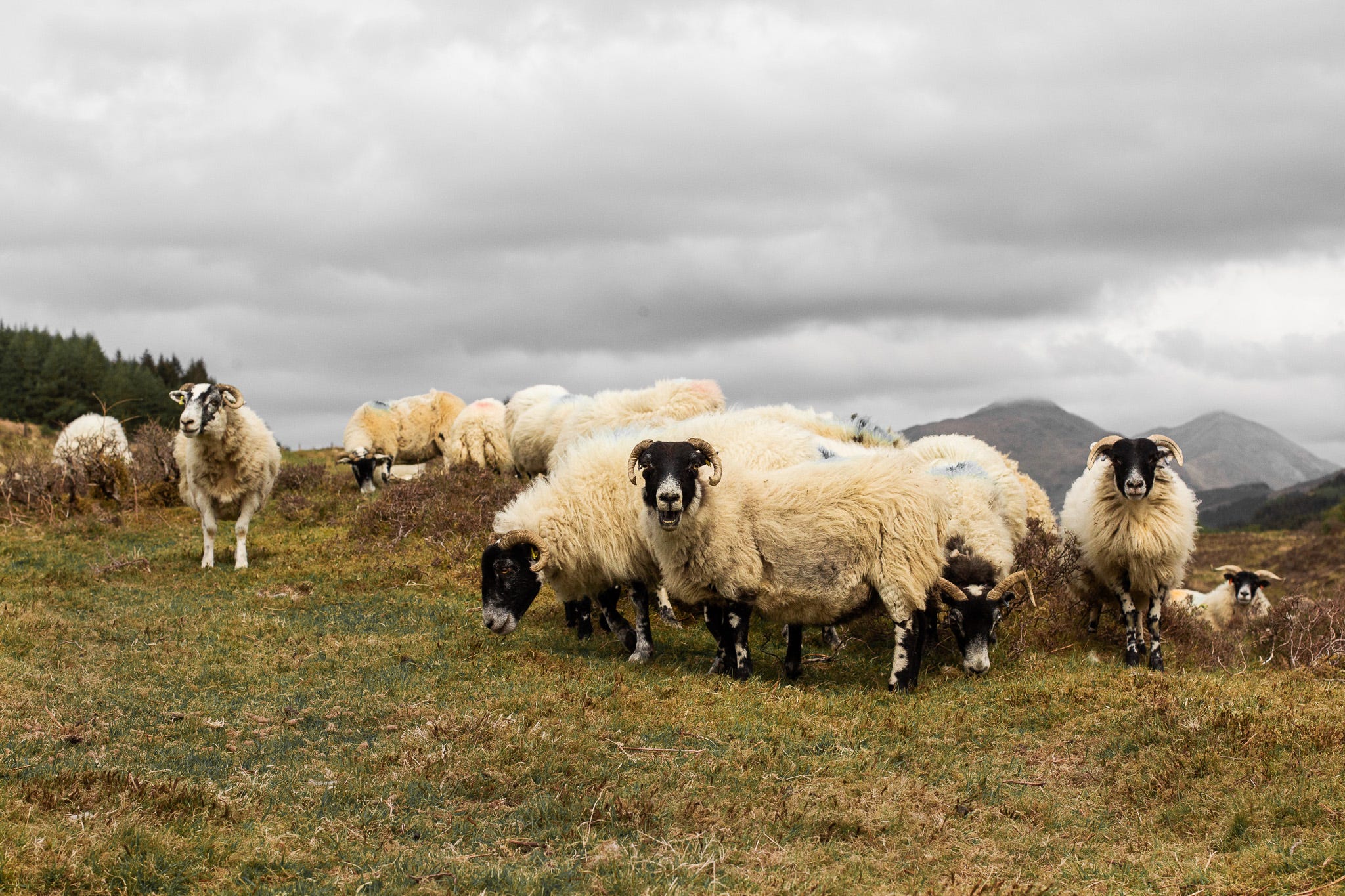
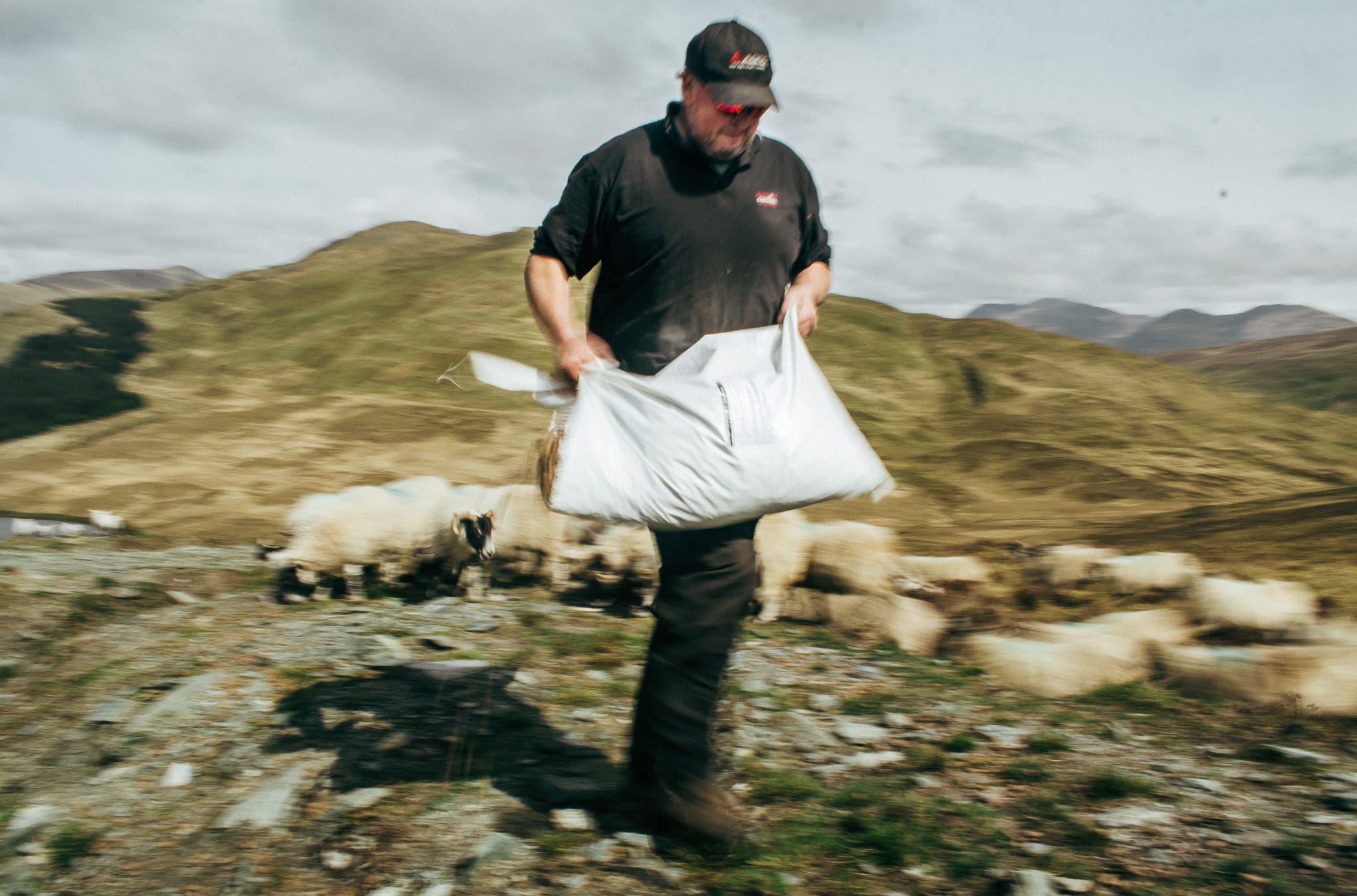
Local livestock farmers, echoing the long-standing grievances of Scottish crofters, voice legitimate fears regarding the spring lambing season. Though dietary studies from Scotland show that sea eagles primarily target fish, seabirds, and carrion, the sight of a massive raptor circling over a lambing field creates an immediate, visceral stress. Gamekeepers and shoot managers also watch the skies with unease, concerned for farm-reared pheasant and red-legged partridge. The controversy reflects a wider clash of worldviews between urban ecological idealism and the pragmatic, generational realities of rural land management.
The return of the white-tailed eagle to Exmoor forces us to confront uncomfortable questions about what we want to protect and prioritize. As these young monarchs continue to establish their territories along the Bristol Channel, we can only wait to see whether these sky-sovereigns will successfully hold their ground or face attacks upon their own Tuileries nests.
