Marketing has always made me feel uneasy. It catalyzes our collective necrosis with the smiling façade of boardroom bureaucracy. This is, obviously, black-and-white thinking. Regardless, the weight of marketing on the way we think and move and behave is inescapable. It is in our movies, and our radio, and in the air that we breathe.
In one depressive afternoon’s jaded, neurotic search for something positive, I stumbled on one of the world’s most successful eco-marketing campaigns. It was not for a non-toxic deodorant or a non-GMO food label, nor did it promise a cure for modernity’s toxic lifestyle. It did, however, save an ecosystem so uniquely beautiful that it is now internationally renowned for the species and biodiversity within it.
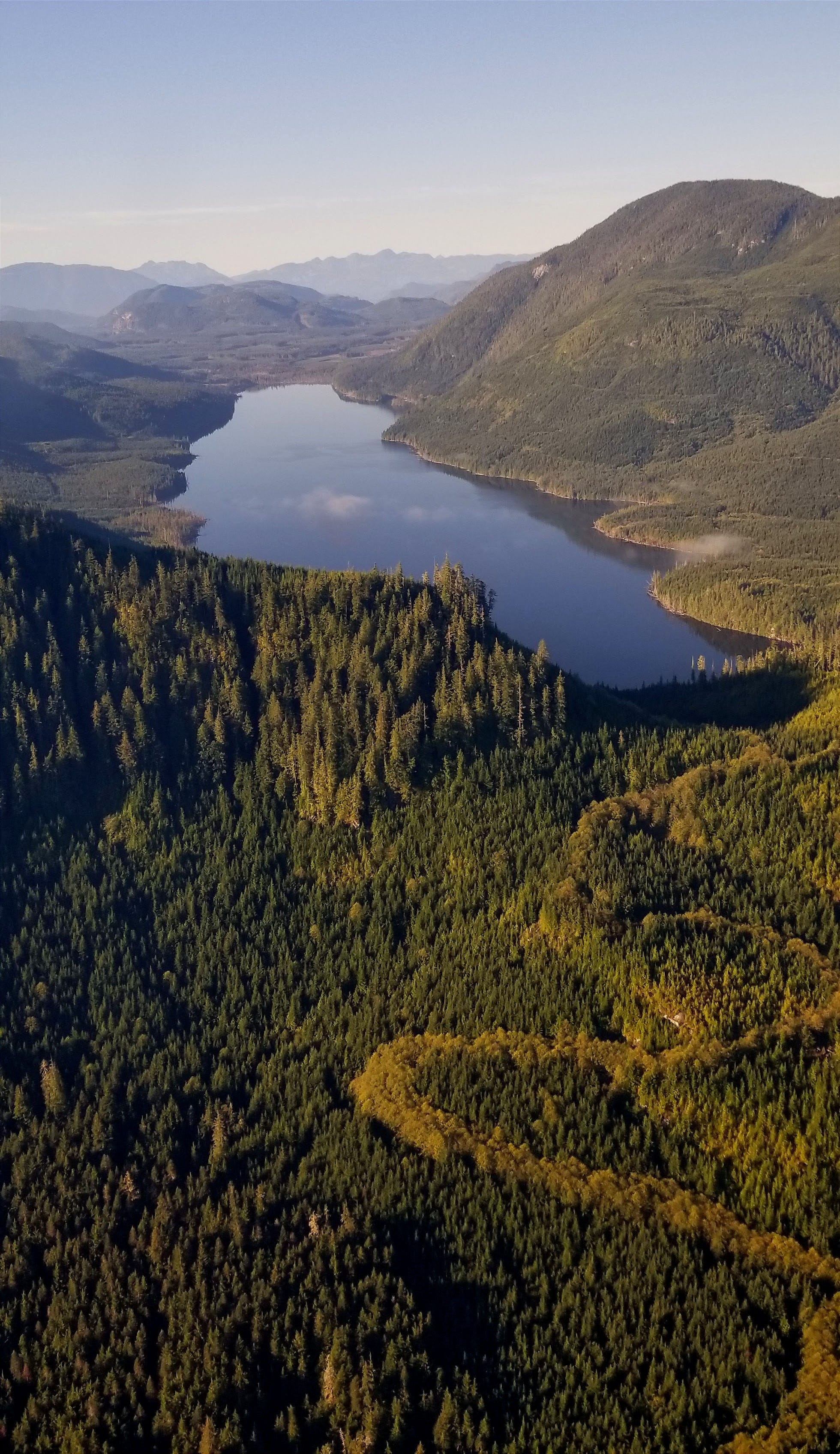
There exists, on the western fringe of British Columbia, a place where you can touch the cool, moss-covered trunks of 1,000-year-old trees. Bald eagles stamp moving, speckled shadows on forest floors and salmon swim up cold, oxygen-rich streams. It exists because a collective of activists, First Nations groups and scientists engaged in one enormously successful campaign. An extractive industry melted into romance, and the Great Bear Rainforest — as it exists today — was stamped into existence.
What’s In a Name?
Before the 1990s, this vast swath of coastal temperate rainforest was called the “Midcoast Timber Supply Area” by modern cartographers and logging executives. This industrial nomenclature did not — unsurprisingly — inspire much conservation action. It quite literally stripped the land of its ecological identity and reduced complex, ancient ecosystems into volumetric units of timber. And so it was. Clearcutting operations tore through cedar and hemlock.
The blockades at Clayoquot Sound in 1993 had yielded mass arrests — over nine hundred people hauled away in the mud — and generated endless newsprint, but by the mid-1990s, tactical civil disobedience was reaching its structural limits. You could lock yourself to a Caterpillar bulldozer in a remote watershed, but while the local police spent twelve hours cutting through your steel U-lock, three other valleys were being sliced into timber units behind the next ridge. The logging companies had capital, government-issued permits and, perhaps most importantly, time. Activists had nylon tents and hypothermia.
It became clear to campaigners at organizations like ForestEthics, Greenpeace and the Rainforest Action Network that winning valley-by-valley was a slow way to lose an entire ecosystem. They needed a strategic lever that could bypass B.C.’s provincial land-planning tables — where First Nations were condescendingly checklisted as mere ‘stakeholders’ and timber lobbies dictated the total volume of cut lines — and strike directly at the industry’s lifeblood: its corporate supply chain.
This battle would therefore require a shift from local physical resistance to global narrative warfare. To do that, they gave the 74,000-square-kilometer swath of unceded coastal territory a name that neither corporate boardrooms nor the public could ignore.
The Birth of ‘The Great Bear Rainforest’
In 1990, Peter McAllister, the driving force behind the Raincoast Conservation Society, led the first in a series of marine-based expeditions up the coast to bring international recognition to this vast, unmapped wilderness. In the society’s 1994 Canadian Raincoast Wilderness Report, McAllister first published a map coining the term ‘Great Bear Wilderness’ to designate the central coast’s intact wild networks. By 1996, environmental advocates, campaign strategists (principally from Rainforest Action Network, Greenpeace, and ForestEthics) and Coastal First Nations sat down to formalize and scale this identity for a region that, on government maps, remained an administrative void. They market-tested language with the precision of a Madison Avenue branding agency, looking for a phrase that possessed built-in emotional leverage. Peter’s son, Ian McAllister, later evolved ‘Wilderness’ to ‘Rainforest,’ and expanded the term to encompass the entire northern and central coast. The finalized term was born.
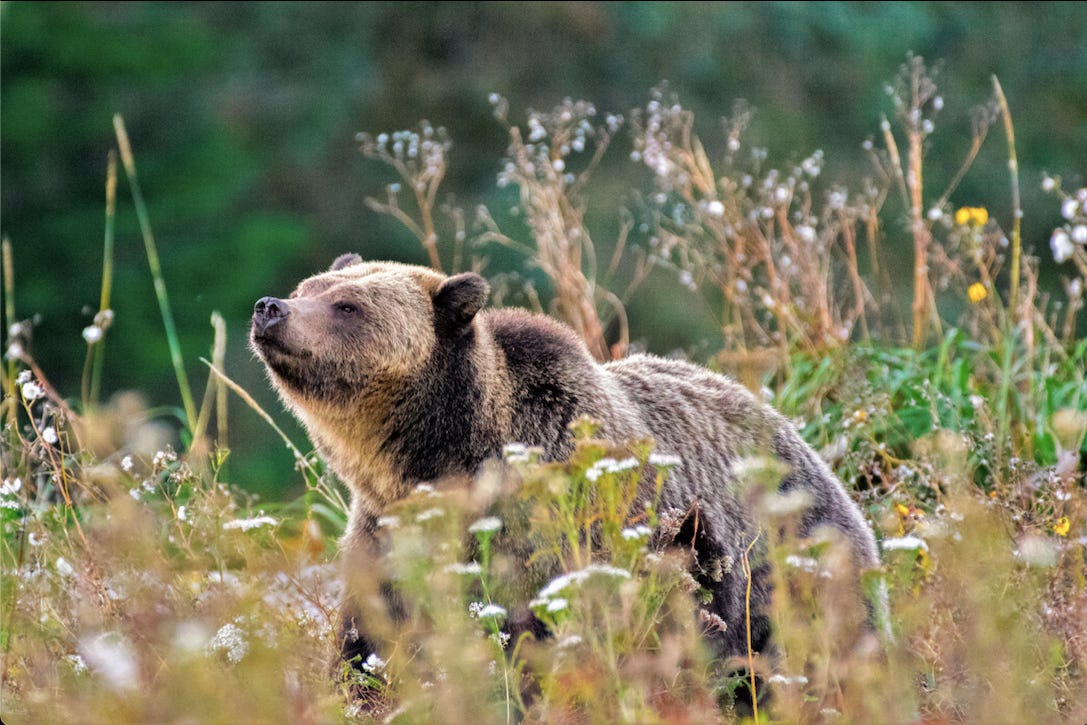
The name anchored the geography to the Kermode and Grizzly bears, bringing scale, mythos and living presence to the forefront of the listener’s mind. It turned an abstract landscape into a home that belonged to some very tangible, majestic creatures. The term ‘rainforest’ was almost exclusively associated with the Amazon at the time, and evoked moving images of ecological fragility, lung-like atmospheric importance and urgent global crisis: forcing another dramatic mental shift. Canada’s ancient cedars stood now not as a farmable timber crop, but as North America’s own endangered ecosystem. It managed to, in the way only good marketing can, sway the court of public opinion and secure a future for the region.
Save the Rainforest
Equipped with this descriptive nomenclature, campaigners launched the Markets Campaign. Bypassing the provincial government entirely, they brought the narrative directly to the international buyers of B.C. timber: Home Depot, IKEA, Staples, Scott Paper and a handful of major European publishers.
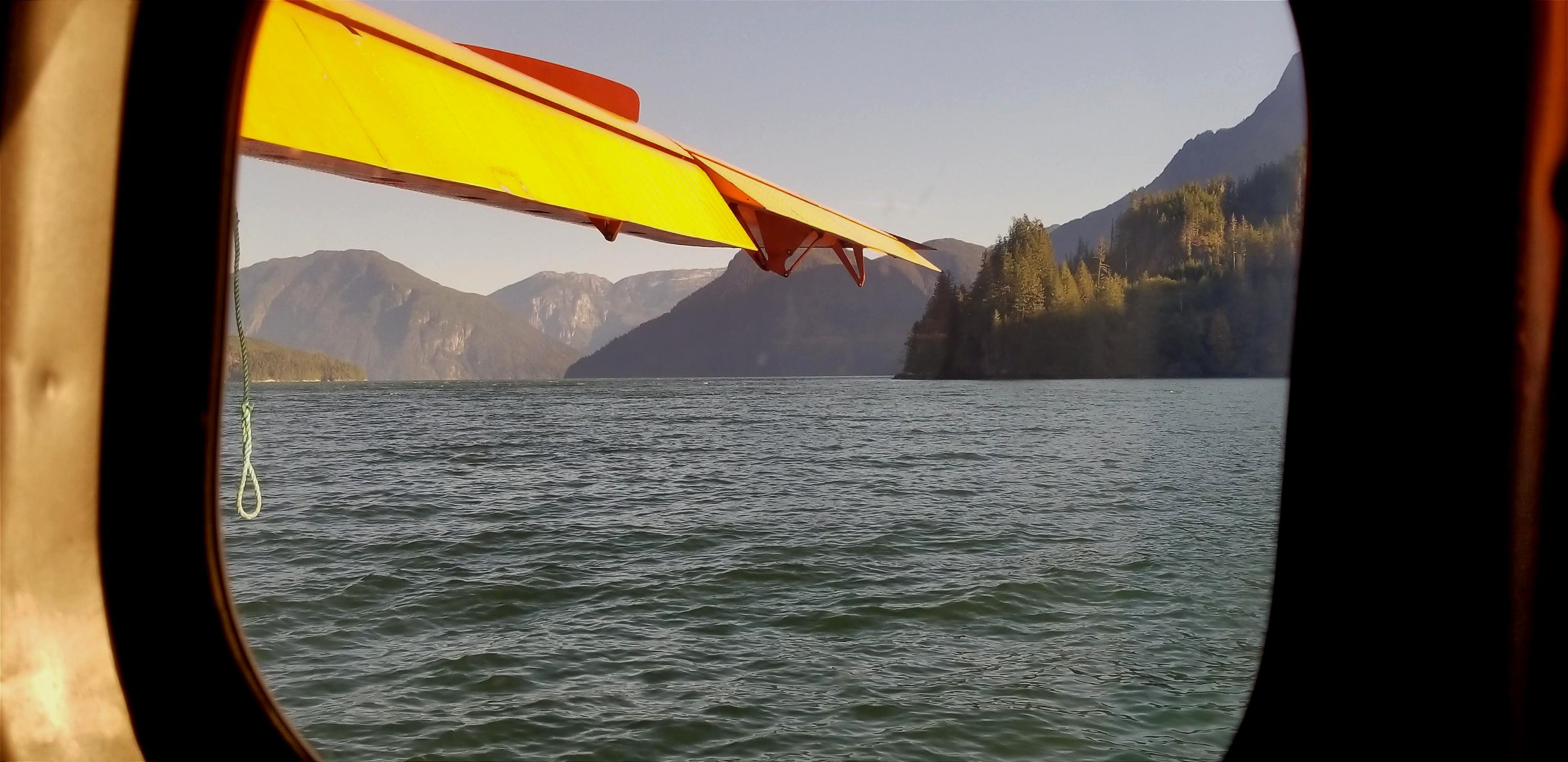
Activists brought buyers on seaplanes to stand in the moss beneath the thousand-year-old trees and then showed them satellite imagery of the raw, bleeding clearcuts right over the ridge. When buyers hesitated, the campaign took to the streets outside retail outlets in New York, London and Hamburg. The message to consumers was simple, direct and devastatingly sharp: Your patio furniture is made from the destroyed habitat of the Spirit Bear.
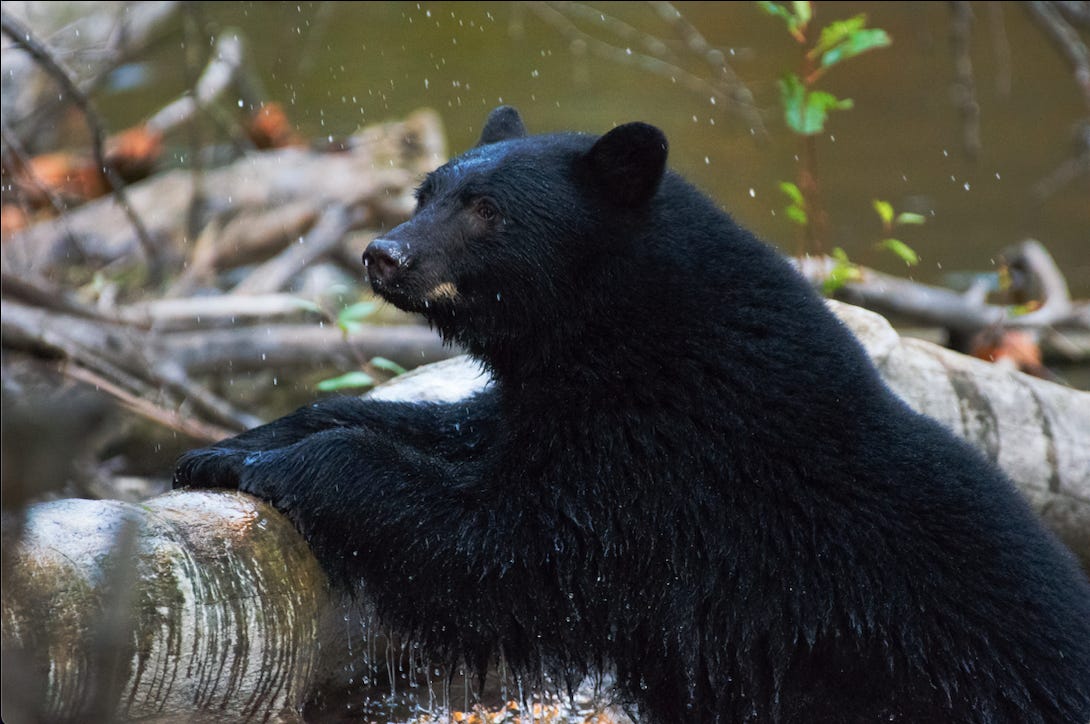
It worked as you might imagine it would. Corporate buyers couldn’t defend buying wood from a ‘Great Bear Rainforest’ the way they could from a ‘Midcoast Timber Supply Area.’ Contract cancellations rained down.
The industry was forced to the negotiating table not by legislative goodwill, but by the overwhelming economic weight of an evocative marketing campaign. In 2016, the historic Great Bear Rainforest Agreements officially protected 85 percent of the forest from industrial logging, cementing a co-management framework between provincial authorities and First Nations governments. It stands as a rare testament to modern rhetoric: that one time corporate marketing was turned back on itself to save twenty-one million acres of ancient soil.