Three Seconds of Light: Photographing the Rarest Malampaya Dolphin Calf
Navigating murky mangrove waters and shifting tides in search of the Philippines’ most fragile marine population.

Tropical midday heat settled on us like wet wool and all four crew members were already exhausted. We sat, nearly eleven degrees north of the equator, occupying various positions around the motor housing of the bangka, a traditional outrigger boat found here in the Philippines. The air, thick with salt, humidity and petrol, added some extra flavor to our pancakes.
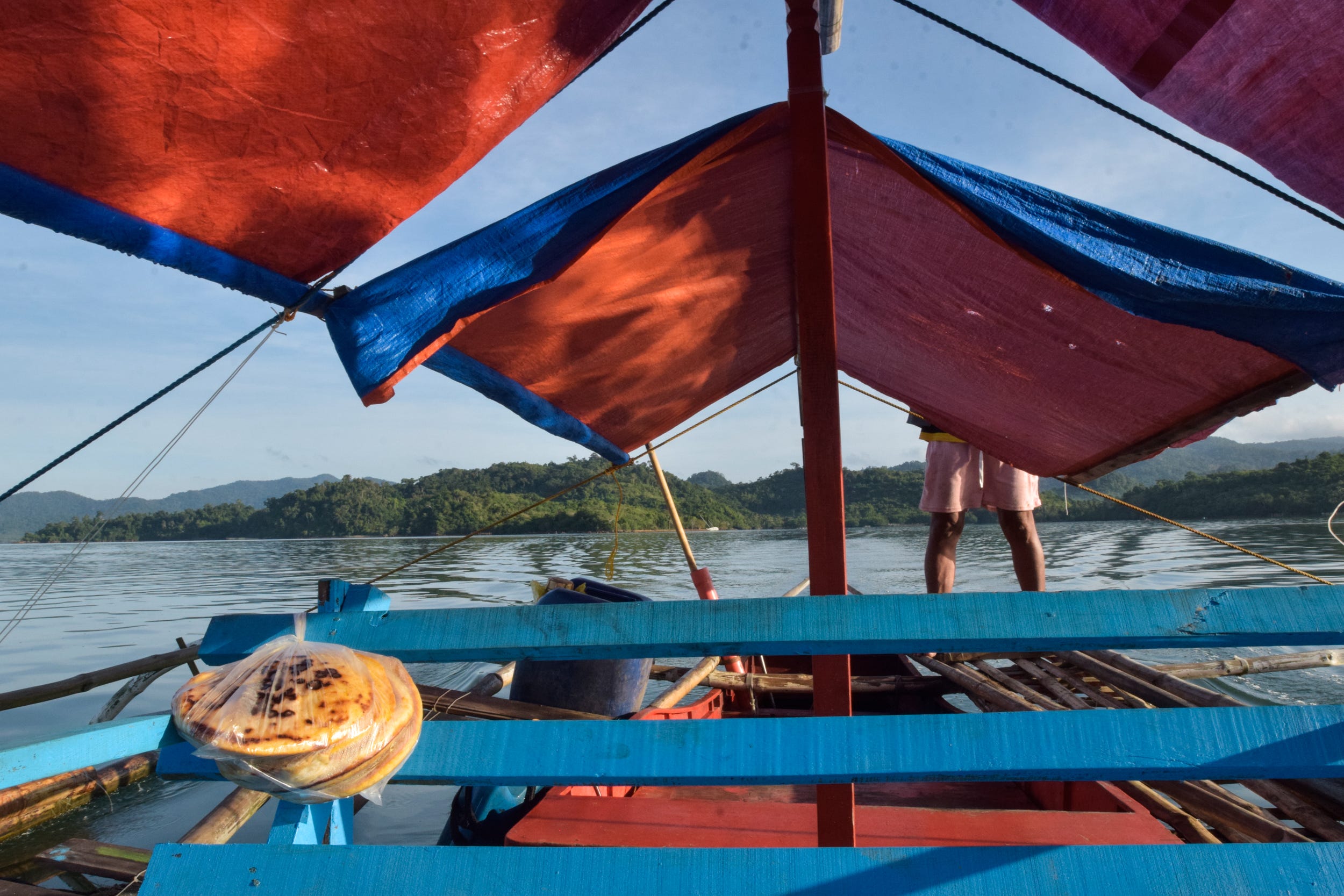
Rehydrating, we began to build a strategy for the afternoon’s expedition activities. Someone broke the tired silence: “No dolphins seen here yesterday, maybe we should try out by the islands?”
Angelo, a local fisher who was driving the boat, and his teenage nephew, T.J., who had asked to come along, sat at the stern. T.J. had been out partying until the small hours of the day and came to the harbor worse for wear, to the irritation of his uncle. He had been sullen – committed to the morning’s protest – but turned to answer the question, eliciting a poorly hidden smile from Angelo. “I’m not sure that the sea state will last today. If we head out to the islands, we will need to shorten the survey time and cut back across to the harbor. Why don’t we try hugging the coast up to the mangroves?” All in agreement, we covered our heads and necks with sticky, sea-damp protection before continuing the day’s search.
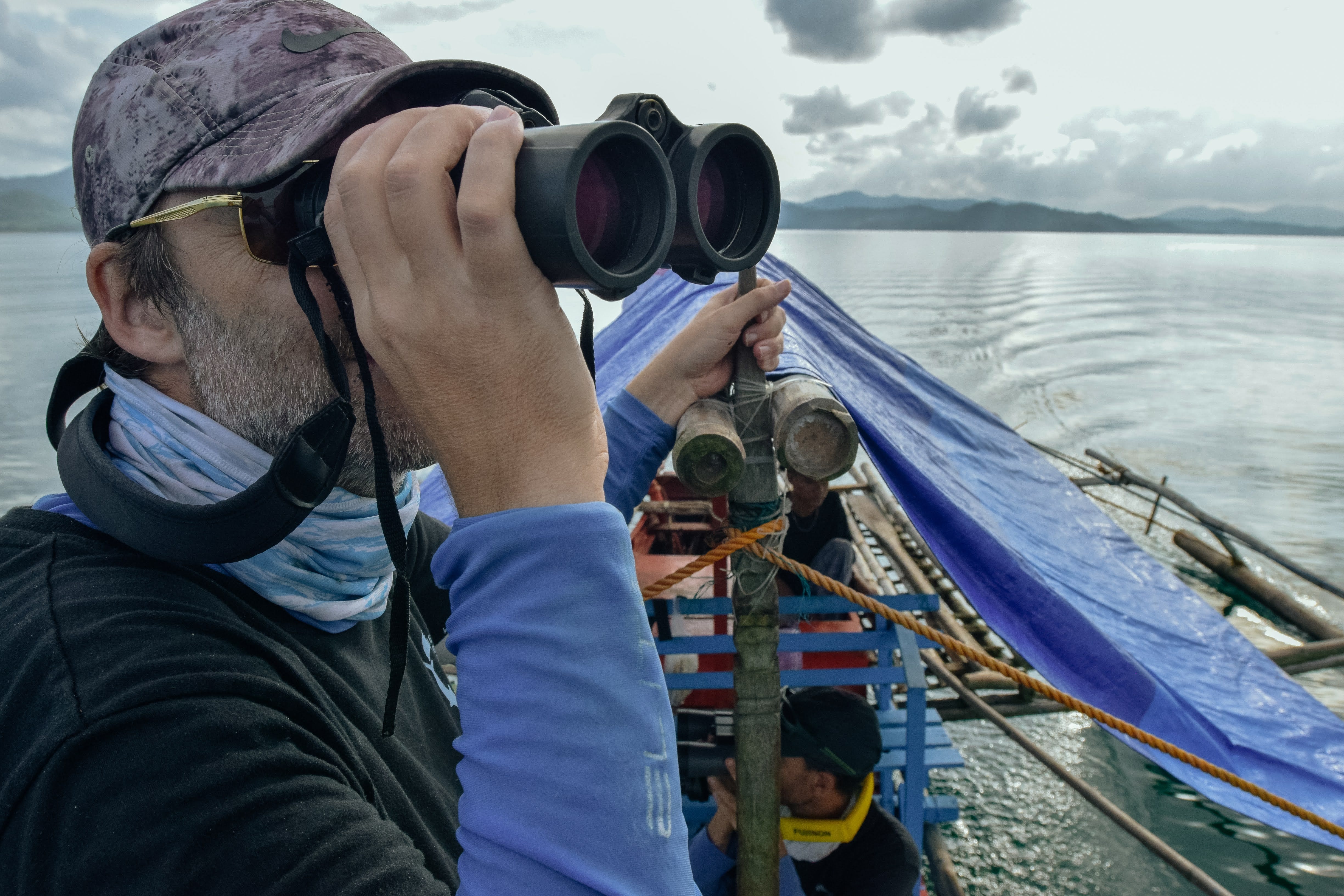
We had come to the Malampaya Sound to look for one very specific animal: Orcaella brevirostris, the Irrawaddy dolphin. Unlike their long-beaked brethren, Irrawaddy dolphins have cartoonish, round heads and high foreheads. They prefer brackish, coastal water to open ocean, bound to estuaries and rivers and coastlines. Here in the Malampaya Sound, they are found primarily in the cul-de-sac of the Inner Sound. Unfortunately, these animals have been slowly declining across the Coral Triangle. At last formal count there were around 35 individuals left. We had come to see if that number had held, or if the ledger had shortened.
The geology of Malampaya is somewhat of an evolutionary trap. Formed during the late Pleistocene as sea levels fluctuated across the Sunda Shelf, this shallow, landlocked basin became an ideal nursery for euryhaline species like the Irrawaddy dolphin: organisms capable of adapting to dramatic shifts in salinity. The dolphins adapted beautifully to this murk, developing flexible necks that allowed them to navigate dense mangrove root systems and hunt bottom-dwelling catfish in near zero-visibility water.
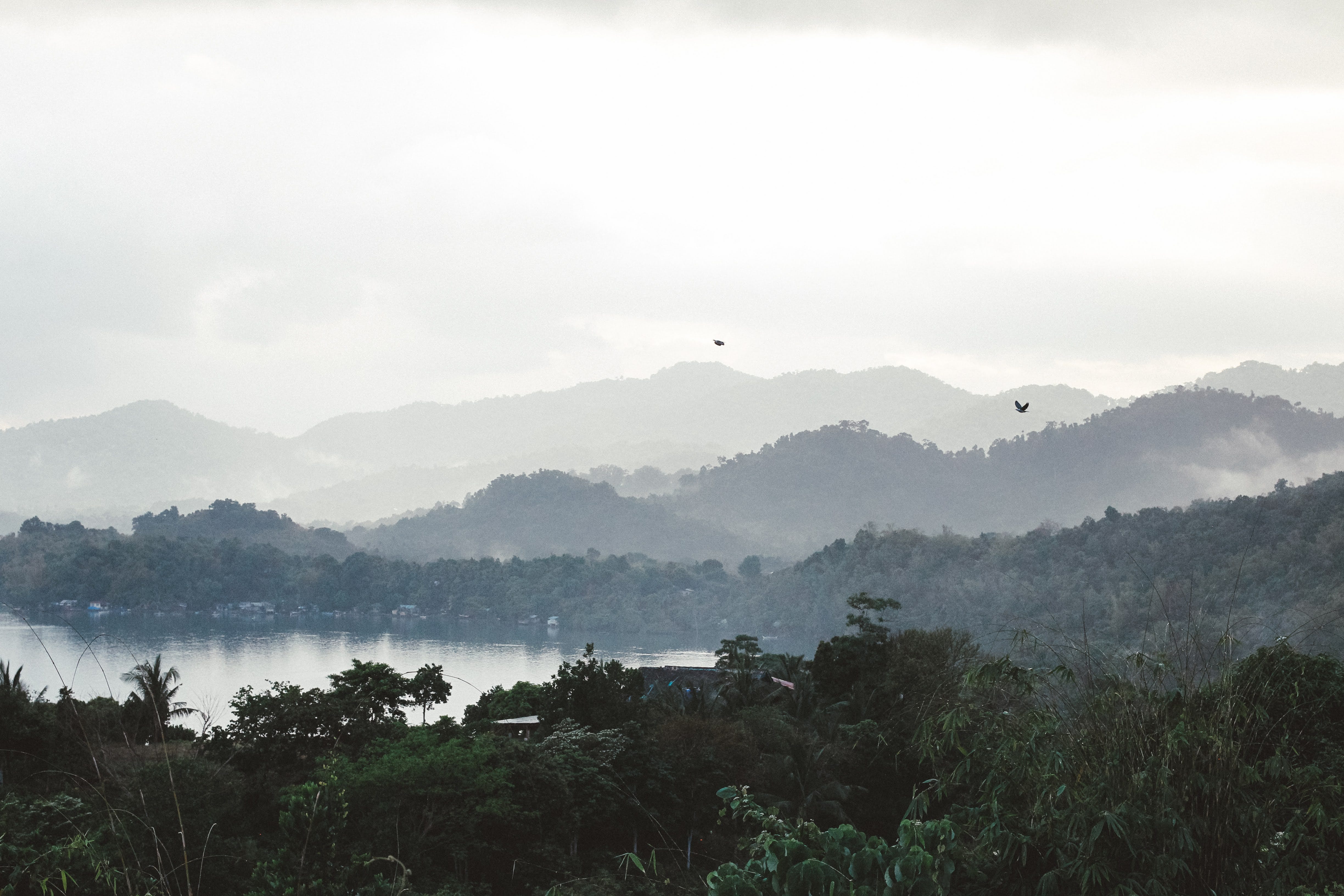
The equation of their dwindling numbers is a relatively straightforward one. Unable or unwilling to leave their shallows within the Inner Sound, the instances of accidental drowning in fishing gear like bottom-set crab gillnets and crab pots have eroded the population down to this last handful. A dolphin caught in monofilament mesh at the muddy bottom has roughly fifteen minutes before it drowns. This is compounded by logging across the inland hills, which strips the soil. As silt washes down the surrounding deforested hillsides and into the Southern Basin, it reduces usable water depth and shrinks the Irrawaddy dolphins’ accessible swimming and foraging space. The estuary is shallowing, physically squeezing the dolphins into narrower, more heavily fished channels. What was long called the “Fish Bowl of the Philippines” is being emptied from both ends: its stocks depleted by overcapacity and commercial fishing vessels, its basin filling with mud. In order to take any sort of meaningful action to protect this population, baseline data (like how many dolphins still exist here) is critical to collect.
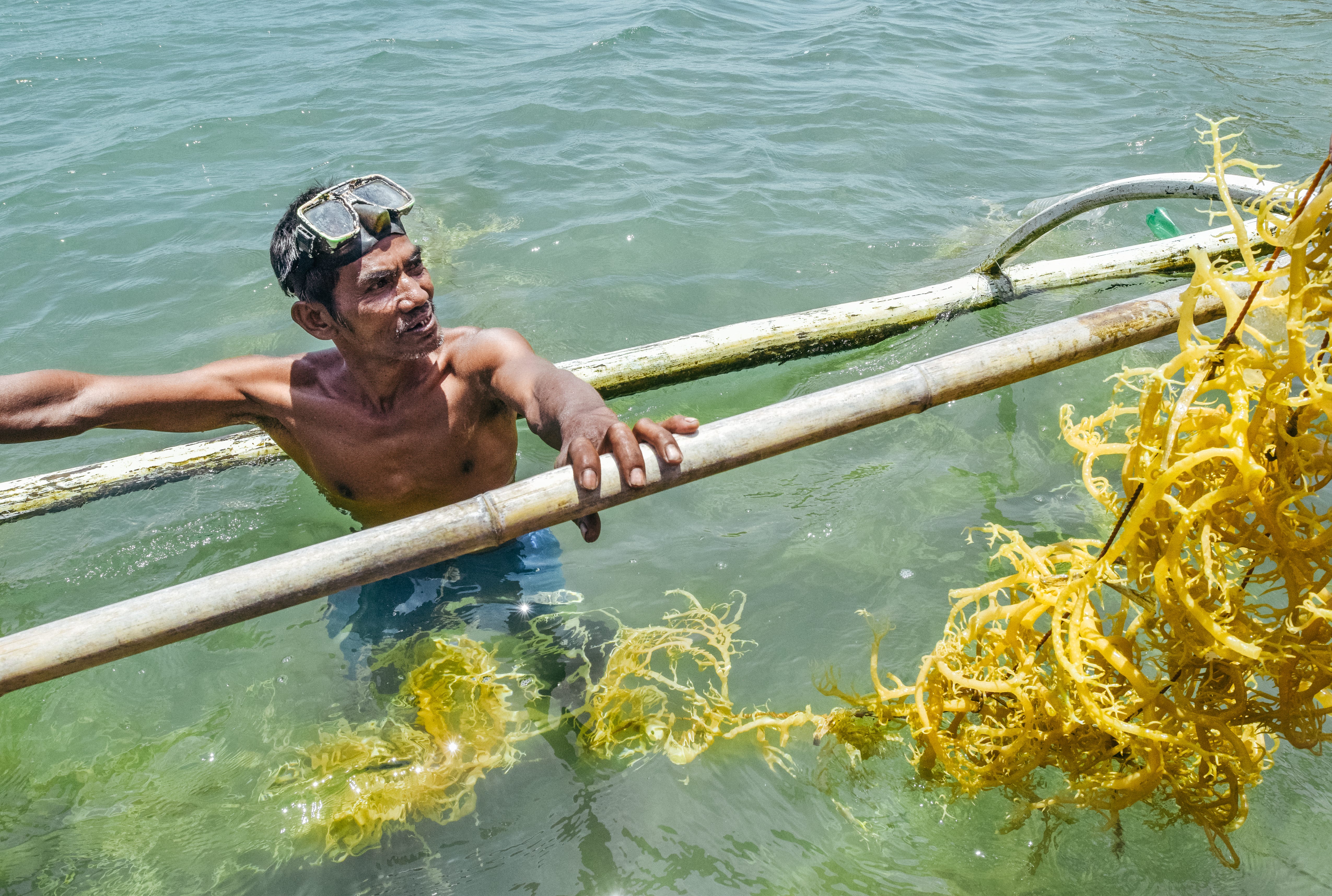
Our expectations were low and our hopes high as we traced Palawan’s barangay-speckled coast. We passed seaweed farmers, waved to amiable fishers and watched sun-baked hands pull at thick, salty ropes. The joyful shouts of children occasionally broke through the engine’s loud, rhythmic drone. Our movement forward provided just enough breeze to keep the heat from becoming unbearable.
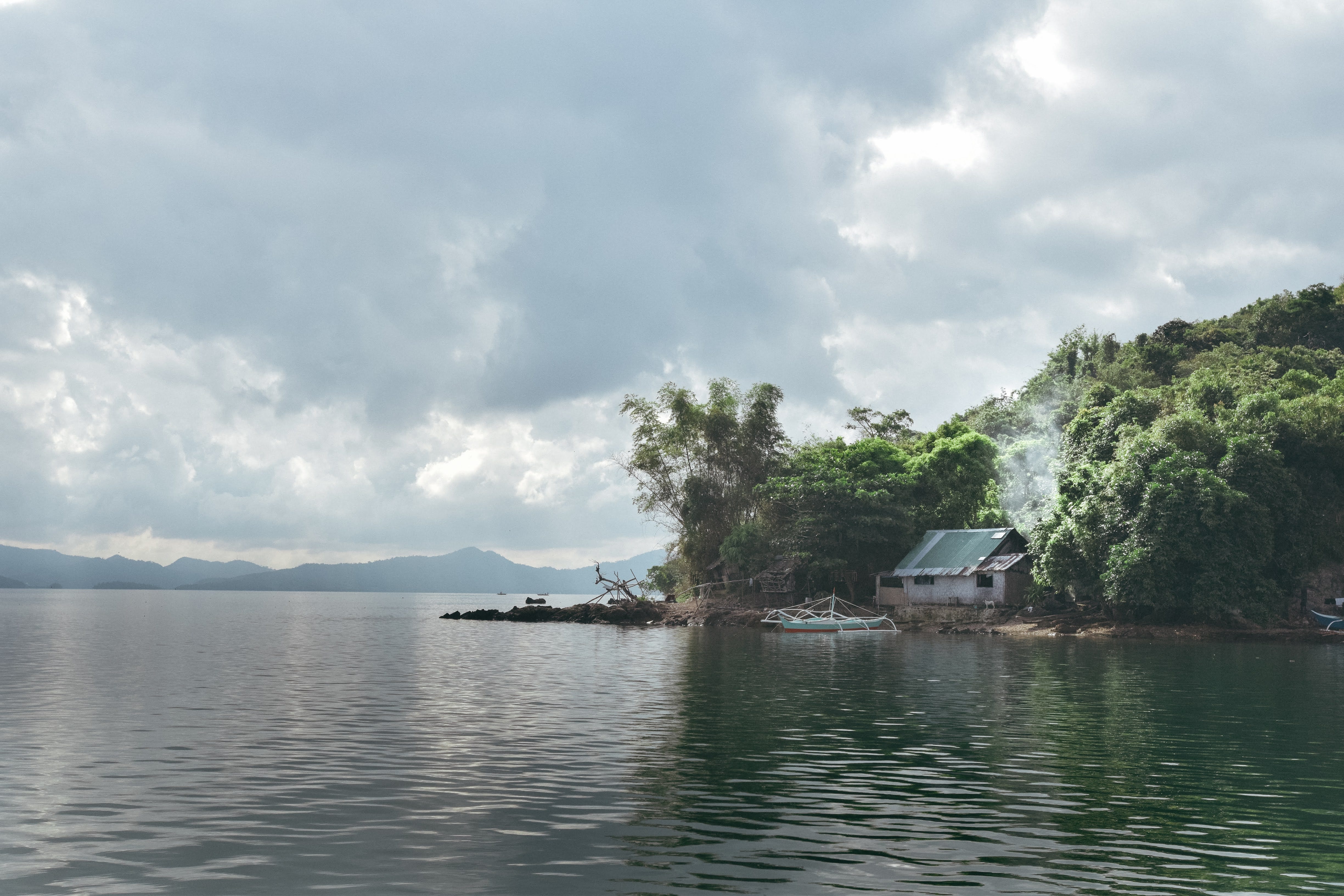
Angelo slowed the bangka as we reached the mangrove forest and the engine noise faded from a scream to an idling hum. The steeped-tea colored water was thick with marine vegetation. Mangrove branches stretched out to touch the sunlight on all sides of this small cove, the roots anchoring the shore in place. Breathing had softened on board as binoculars scanned for dorsals and cameras were set to accommodate the high contrast and sun-glare. The bangka spun slowly, caught in the tidal eddy as we waited.
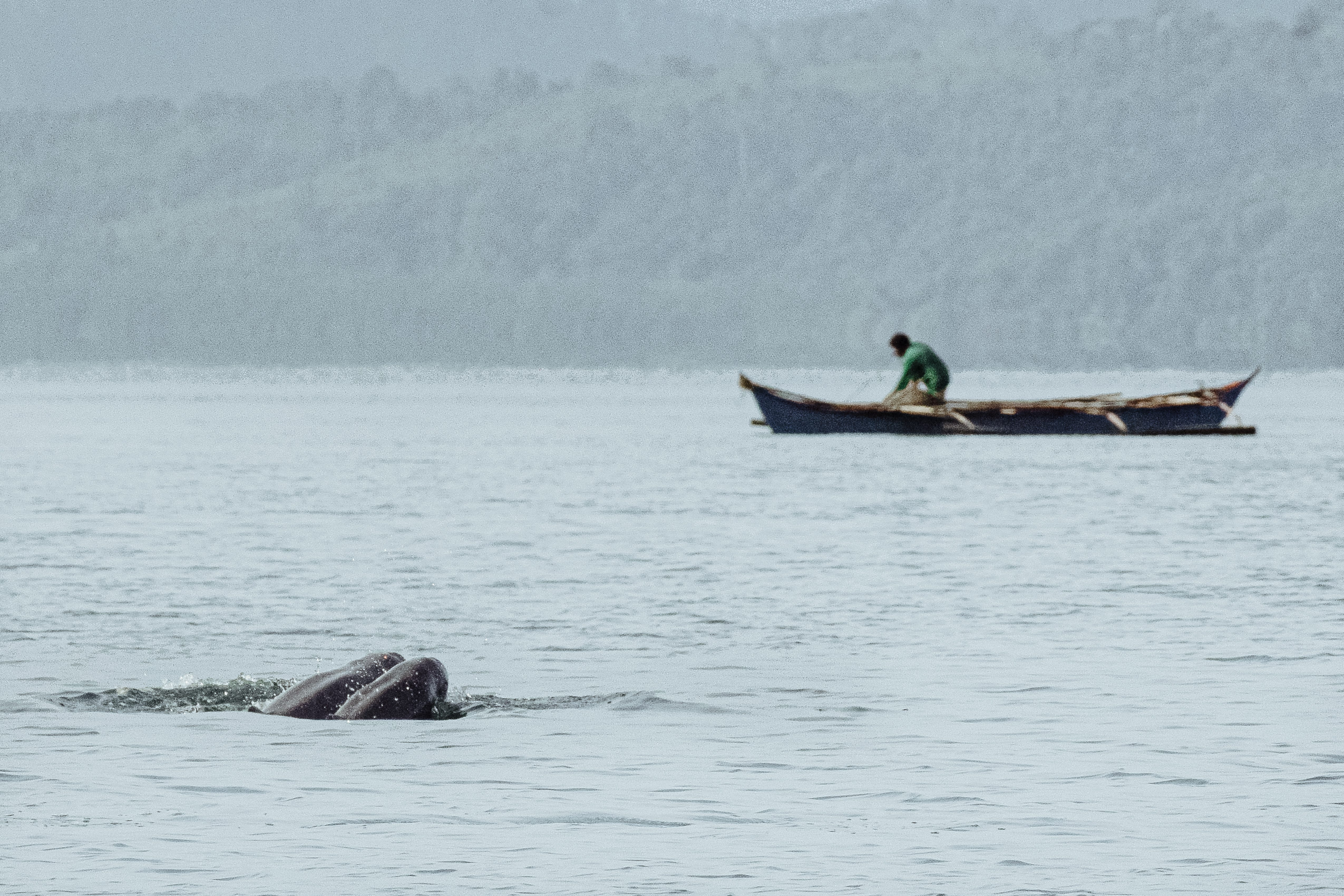
“There!” Someone shouted suddenly. Heads whipped around and eyes searched frantically for movement. And then, to everyone’s surprise, a smaller figure broke the water’s surface. It was not the slate gray of its much larger companion, but a darker, wet brown. “Oh my gosh, it’s a neonate – guys, it’s a baby!”
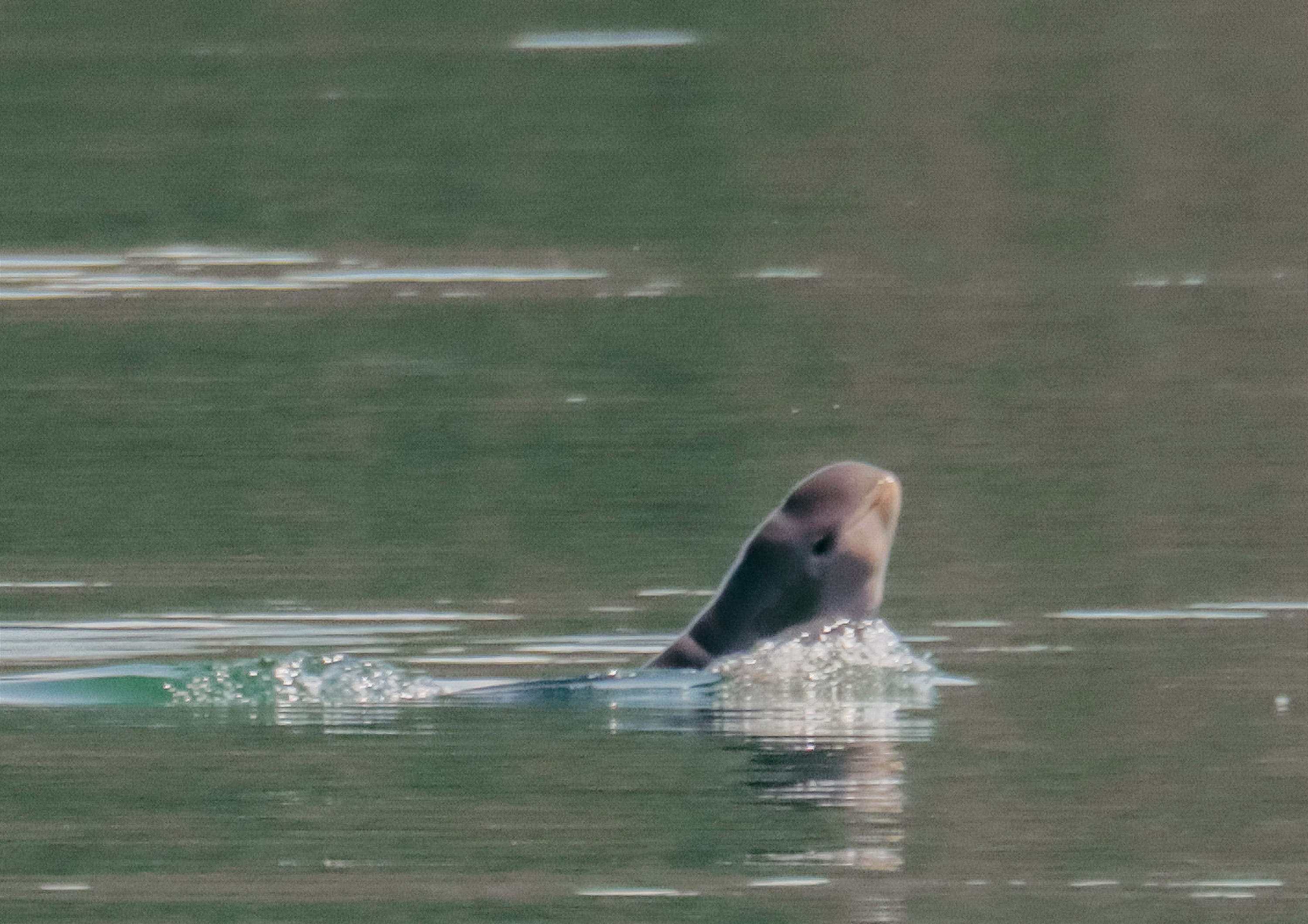
We paused our celebration for a moment. Pencil scratched paper as data was scribbled down. Shutter clicks burst through the silence every flicker of a second that the calf surfaced. Once, twice, three times. The bangka kept its distance so that we did not frighten or stress the pair. Everyone stood to attention, watching the spot where the water went flat again in a joyful silence, brimming with excitement. Seeing this newborn calf was not only unexpected, it was something only a handful of fishers and scientists had seen here in the past many decades.
In a population of thirty-five, a single calf is never a guarantee of survival. It does not fix the gillnets, nor does it stop the topsoil from washing down off the cleared hills. But it does mean that somewhere in this shallow, silted basin, despite the noise and the gear, reproduction was not only feasible, but successful. The group had gained instead of lost. Perhaps there was hope here after all. It is an uneasy, dangerous coexistence, but it persists.
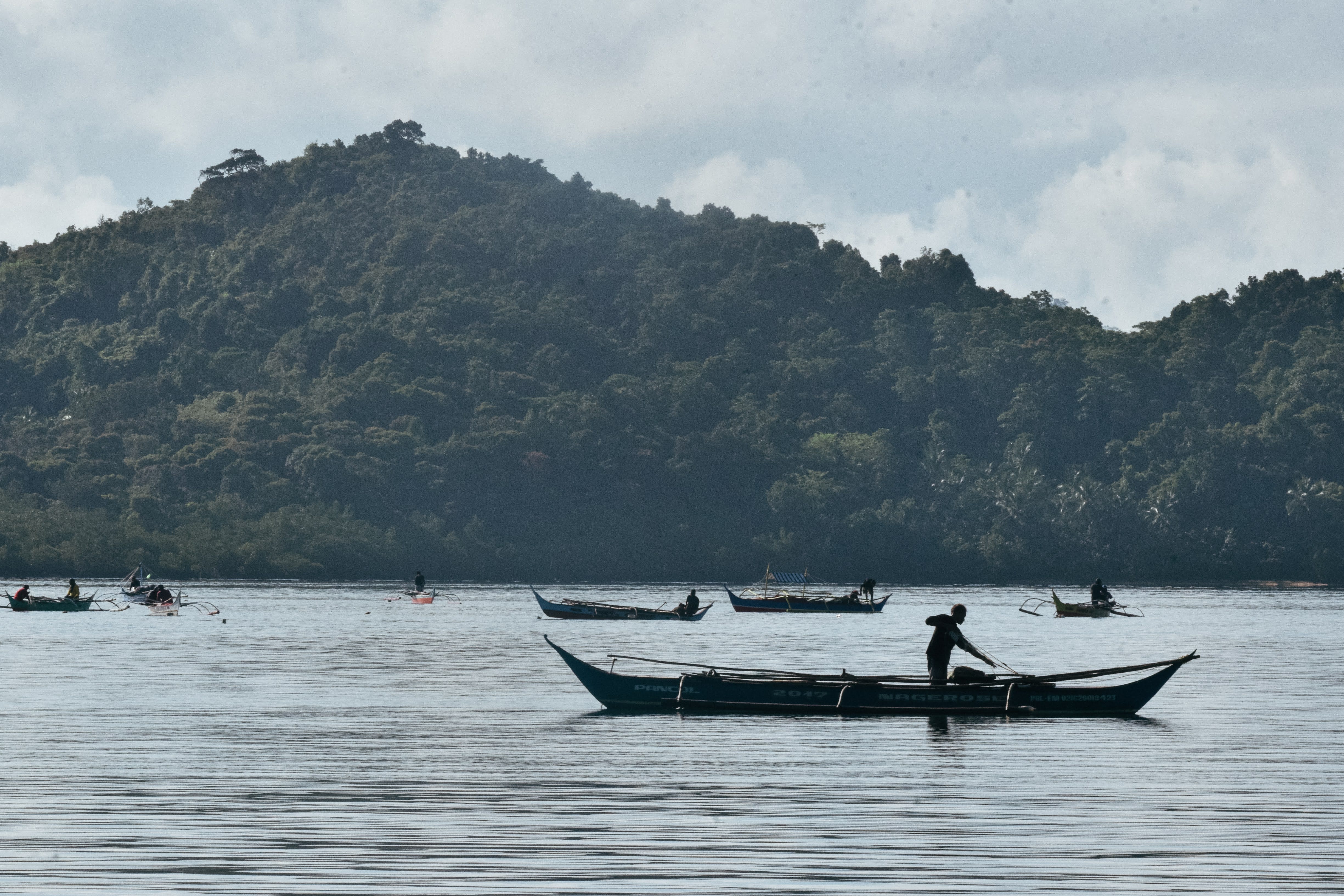
Angelo shifted the engine into gear. The propeller bit into the murky water, turning the bow back toward the open Sound, leaving the pair behind in the quiet shadow of the roots.